


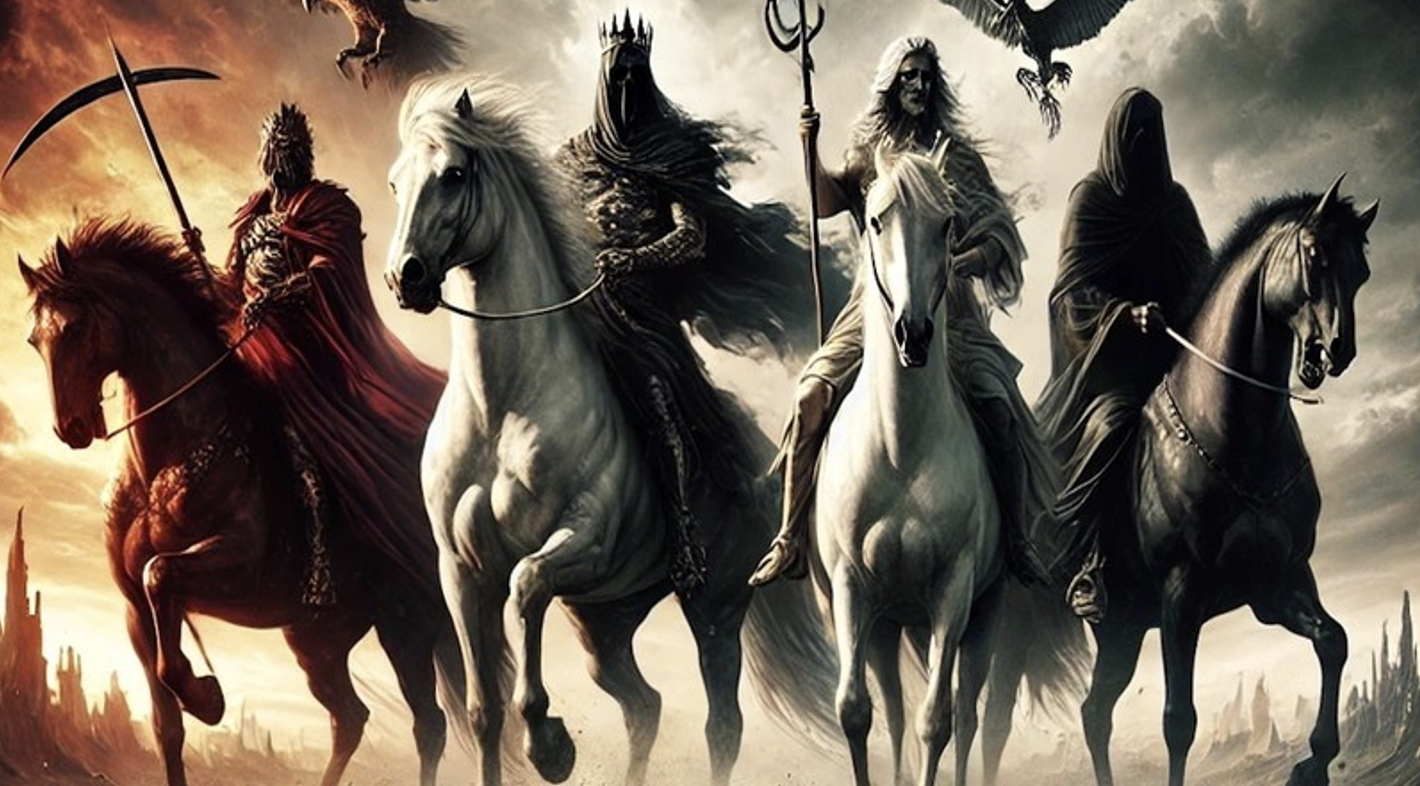
The four horsemen of the Apocalypse are Conquest, War, Famine, and Death. Artificial intelligence (AI) has ‘Conquered’; in the Middle East, ‘War’ is underway and could take years to resolve, and changes afoot in enterprise-level AI spending would be akin to ‘Famine’ for AI hyperscalers that have spent trillions on scaling out the technology. All that awaits is the ‘Death’ of the AI bubble.
Consider these four observations:
Worryingly, this shift is occurring just as stock markets have turned hyper-exponential, and Private Equity valuations also reflect maximum hype.
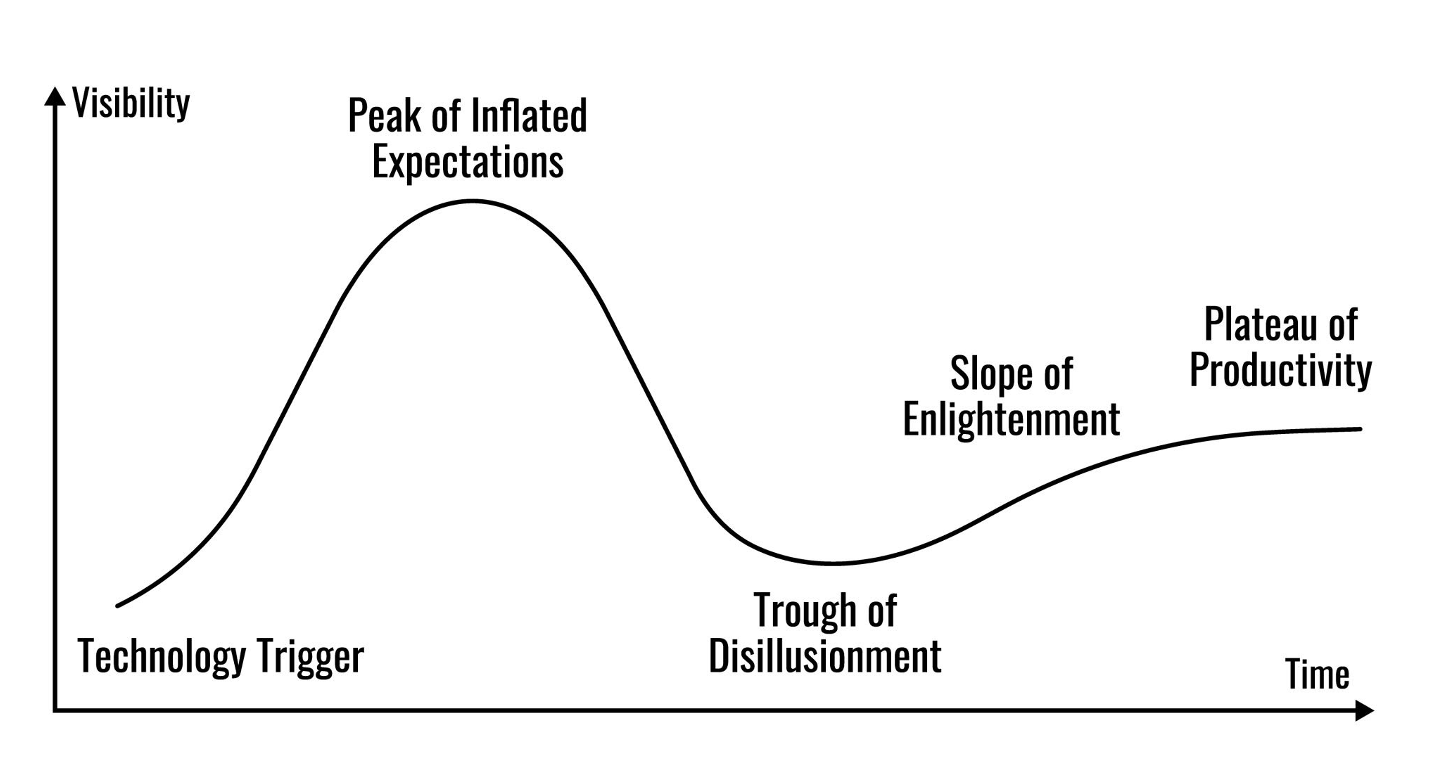
Figure 1. General purpose technology (GPT) booms and busts, Gartner’s hype cycle
Source: Gartner
According to reports, NVIDIA CEO Jensen Huang, speaking at a recent employee meeting, discussed staff concerns about ‘running AI intensively every day, merely wasting tokens on superficial efforts without boosting productivity.’ His response is perhaps telling; He noted that when people encounter any new technology or tool, the initial period of experimentation or “unfamiliarity” produces “imperfect usage”, adding, what matters is taking the first step to embrace new technologies – “It’s fine to waste a little money, but never waste time.”
Huang’s words reflect the certainty of AI’s adoption, which I don’t contest. But will enough revenue from AI customers be generated to provide a reasonable return on the investment made by hyperscalers and data centre developers?
It would be unusual if this time is different
It might be worth remembering the words of journo Derek Thompson, who wrote in his November 4 newsletter, AI Could Be the Railroad of the 21st Century. Brace Yourself, “Memories are short, and prudence and natural risk aversion are no match for the dream of getting rich on the back of a revolutionary technology that “everyone knows” will change the world.
The global railway mania of the 1800s bankrupted thousands of investors, wiped out hundreds of companies, but left nations with a rail network that powered a century of industrial dominance. Similarly, when the fibre-optics/internet/broadband boom of 1999 crashed in early 2000, it vaporised $US5 trillion in market value, but it also laid the wiring on which the Internet Age was built. Similar stores can be told about the electricity bubble, aviation, broadcast radio and automobiles.
Indeed, about three-quarters of General-Purpose-Technology (GPT) booms share a similar pattern of colossal over-investment, financial carnage through creative destruction, then lower prices and decades of productivity gains assembled on the residual infrastructure.
At the core of today’s AI boom is a GPT on the scale of electricity or the internet, and the infrastructure being built will support decades of economic activity. And unlike the Dot.Com bubble, the investment isn’t billions in speculative debt being loaned to ‘pre-revenue’ companies with no path to profitability. This time, the investment is coming (so far) mostly from companies with strong balance sheets. But beyond that core, the classic signs of every bubble are on display.
It would be unusual, given the great enthusiasm or hype, the high asset prices, the overbuilding, the uncertainty of future demand, indeed, the many elements that conform to past bubbles, if this boom doesn’t also conform to the pattern illustrated in Figure 1. it would indeed be a first.